



Nutrition is the science that explores how the body utilizes food to sustain life, promote growth, and maintain health. At its core, nutrition encompasses the study of nutrients, which are substances that provide nourishment essential for the maintenance of life and for growth. These nutrients can be categorized into macronutrients—carbohydrates, proteins, and fats—and micronutrients, which include vitamins and minerals.

Each of these components plays a unique role in bodily functions, from energy production to immune support. Carbohydrates are often viewed as the primary source of energy for the body. They are broken down into glucose, which fuels our cells, tissues, and organs.
Proteins, on the other hand, are crucial for building and repairing tissues, producing enzymes and hormones, and supporting immune function. Fats, while often misunderstood, are vital for absorbing fat-soluble vitamins (A, D, E, and K), providing energy, and supporting cell structure. Micronutrients, though required in smaller amounts, are equally important; they facilitate various biochemical processes that keep our bodies functioning optimally.
Understanding these basics is essential for making informed dietary choices that promote overall health.
Key Takeaways
- Understanding the Basics of Nutrition:
- Focus on consuming a variety of nutrient-dense foods to meet your body’s needs.
- Pay attention to portion sizes and avoid overeating to maintain a healthy weight.
- The Importance of Hydration and Water Intake:
- Stay hydrated by drinking plenty of water throughout the day.
- Limit sugary drinks and opt for water as your primary source of hydration.
- Building a Balanced Plate: Incorporating Fruits, Vegetables, and Whole Grains:
- Aim to fill half your plate with fruits and vegetables for essential vitamins and minerals.
- Choose whole grains over refined grains for added fiber and nutrients.
- The Role of Protein in a Healthy Diet:
- Include a variety of protein sources such as lean meats, poultry, fish, beans, and nuts.
- Protein is essential for muscle repair, immune function, and overall health.
- Fats: The Good, the Bad, and the Ugly:
- Focus on consuming healthy fats from sources like avocados, nuts, and olive oil.
- Limit saturated and trans fats found in processed and fried foods for heart health.
The Importance of Hydration and Water Intake
The Importance of Hydration
The significance of staying hydrated cannot be overstated. Even mild dehydration can lead to fatigue, headaches, and decreased cognitive function. The general recommendation is to consume at least eight 8-ounce glasses of water daily, but individual needs may vary based on factors such as age, activity level, and climate.
Meeting Your Hydration Needs
In addition to plain water, you can also stay hydrated by consuming fruits and vegetables with high water content, such as cucumbers, watermelon, and oranges. Beverages like herbal teas and broths can also contribute to your overall fluid intake. It’s essential to listen to your body’s signals, as thirst is a clear indicator that you need more fluids.
Staying Hydrated in Challenging Conditions
During physical activity or in hot weather, the need for hydration increases significantly. Therefore, being proactive about water intake is crucial for maintaining optimal health and performance.
Building a Balanced Plate: Incorporating Fruits, Vegetables, and Whole Grains
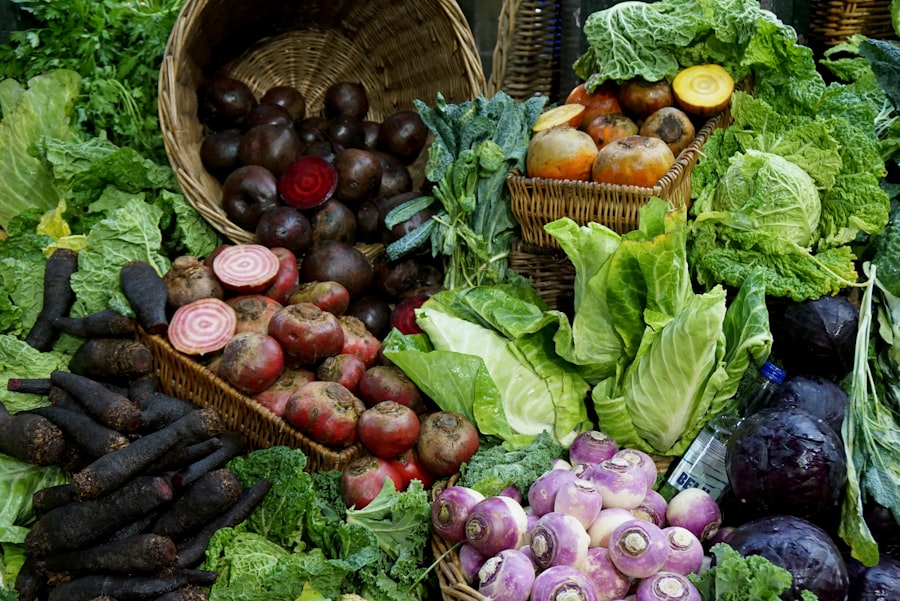
Creating a balanced plate is a fundamental principle of healthy eating that emphasizes the importance of variety and moderation. A well-balanced meal typically includes a mix of fruits, vegetables, whole grains, and protein sources. Fruits and vegetables are rich in vitamins, minerals, fiber, and antioxidants, all of which contribute to overall health and help reduce the risk of chronic diseases such as heart disease and diabetes.
The USDA’s MyPlate guidelines suggest filling half your plate with fruits and vegetables to ensure you’re getting a wide range of nutrients. Whole grains are another essential component of a balanced diet. Unlike refined grains, which have been stripped of their nutrients during processing, whole grains retain their bran and germ layers, providing more fiber and essential nutrients like B vitamins and iron.
Foods such as brown rice, quinoa, whole wheat bread, and oats should be staples in your diet. Incorporating these foods not only enhances nutritional value but also promotes satiety due to their higher fiber content. By focusing on a colorful array of fruits and vegetables alongside whole grains at each meal, individuals can create a nutrient-dense diet that supports long-term health.
The Role of Protein in a Healthy Diet
| Protein Source | Protein Content (per 100g) | Benefits |
|---|---|---|
| Chicken Breast | 31g | Lean protein, essential amino acids |
| Greek Yogurt | 10g | Calcium, probiotics |
| Quinoa | 14g | Fiber, iron, magnesium |
| Almonds | 21g | Healthy fats, vitamin E |
Protein is often hailed as a building block of life due to its critical role in growth and repair processes within the body. It is composed of amino acids—some of which are essential and must be obtained through diet—while others can be synthesized by the body. Protein serves numerous functions beyond muscle building; it is involved in hormone production, immune response, and the formation of enzymes that facilitate biochemical reactions.
For adults, the recommended dietary allowance (RDA) for protein is approximately 46 grams per day for women and 56 grams for men; however, individual needs may vary based on factors such as age, activity level, and health status. Sources of protein can be broadly categorized into animal-based and plant-based options. Animal sources include meat, poultry, fish, eggs, and dairy products—all of which provide complete proteins containing all essential amino acids.
Plant-based sources such as legumes (beans and lentils), nuts, seeds, tofu, and whole grains can also contribute significantly to protein intake but may require careful combination to ensure all essential amino acids are consumed. For those following vegetarian or vegan diets, understanding how to combine different plant proteins can help meet daily requirements without relying on animal products.
Fats: The Good, the Bad, and the Ugly
Fats have long been misunderstood in the realm of nutrition; however, they are an essential macronutrient that plays several critical roles in the body. Fats provide a concentrated source of energy—yielding nine calories per gram compared to four calories per gram from carbohydrates or proteins—and are necessary for absorbing fat-soluble vitamins (A, D, E, K). They also contribute to cell membrane structure and serve as precursors for hormones.
However, not all fats are created equal; they can be classified into saturated fats, unsaturated fats (monounsaturated and polyunsaturated), and trans fats. Saturated fats are typically found in animal products such as red meat and full-fat dairy as well as some tropical oils like coconut oil. While moderate consumption may not pose significant health risks for most individuals, excessive intake has been linked to increased levels of LDL cholesterol (often referred to as “bad” cholesterol) and a higher risk of heart disease.
Unsaturated fats—found in foods like avocados, nuts, seeds, olive oil, and fatty fish—are considered beneficial for heart health when consumed in moderation. Trans fats, often found in processed foods and margarine, should be avoided altogether due to their detrimental effects on cardiovascular health.
The Power of Portion Control and Mindful Eating

Introduction to Portion Control
In an age where oversized portions have become the norm in many dining establishments and packaged foods often contain multiple servings per container, understanding portion control is vital for maintaining a healthy diet. Portion control involves being aware of serving sizes and making conscious choices about how much food one consumes at any given time. This practice can help prevent overeating and promote a healthier relationship with food.
Strategies for Effective Portion Control
One effective strategy is to use smaller plates or bowls; research has shown that people tend to eat less when they perceive their portions as larger than they actually are. Mindful eating complements portion control by encouraging individuals to pay attention to their eating habits and the sensory experience of food consumption. This practice involves slowing down during meals to savor flavors and textures while also tuning into hunger cues—eating when hungry and stopping when satisfied rather than out of habit or emotional triggers.
Enhancing Mindfulness Around Eating
Techniques such as putting down utensils between bites or eliminating distractions like television or smartphones during meals can enhance mindfulness around eating. By fostering awareness around food choices and portion sizes, individuals can cultivate healthier eating patterns that support long-term wellness.
Cultivating Healthier Eating Patterns
By implementing these strategies and techniques, individuals can develop a more balanced and sustainable approach to eating, ultimately leading to improved overall health and well-being.
Navigating the World of Supplements and Superfoods
The market for dietary supplements has exploded in recent years as consumers seek ways to enhance their health through nutrition. While some supplements can play a beneficial role in filling nutritional gaps—such as vitamin D during winter months or omega-3 fatty acids for those who do not consume fish—it’s essential to approach supplementation with caution. Not all supplements are created equal; quality can vary significantly between brands.
Moreover, obtaining nutrients from whole foods is generally preferred over supplementation because whole foods provide a complex array of nutrients that work synergistically within the body. Superfoods have also gained popularity as nutrient-dense foods purported to offer exceptional health benefits. Examples include blueberries for their antioxidant properties, kale for its high vitamin K content, and quinoa for its complete protein profile.
While incorporating these foods into one’s diet can certainly enhance nutritional intake, it’s important not to rely solely on superfoods for health benefits. A diverse diet rich in various fruits, vegetables, whole grains, lean proteins, and healthy fats will provide a more comprehensive range of nutrients necessary for optimal health.
Creating a Sustainable and Enjoyable Approach to Eating for Long-Term Health
Sustainability in nutrition refers not only to environmental considerations but also to creating an eating pattern that is enjoyable and maintainable over time. A sustainable approach encourages individuals to develop a positive relationship with food rather than viewing it solely through the lens of restriction or dieting. This means allowing room for indulgences while prioritizing nutrient-dense foods most of the time.
Finding balance is key; it’s perfectly acceptable to enjoy a slice of cake at a celebration while ensuring that most meals consist of wholesome ingredients. Additionally, meal planning can play a significant role in fostering sustainable eating habits. By preparing meals ahead of time or creating shopping lists based on seasonal produce or sales at local markets, individuals can make healthier choices more accessible while reducing food waste.
Engaging in cooking at home not only allows for greater control over ingredients but also encourages creativity in meal preparation. Ultimately, adopting a flexible yet structured approach to eating can lead to lasting health benefits while making the journey enjoyable rather than burdensome.
FAQs
What is a healthy diet?
A healthy diet is one that includes a variety of nutrient-dense foods such as fruits, vegetables, whole grains, lean proteins, and healthy fats. It is important to limit the intake of processed foods, added sugars, and unhealthy fats.
Why is it important to strive for a healthy diet?
A healthy diet is essential for overall health and well-being. It can help prevent chronic diseases such as heart disease, diabetes, and obesity. Additionally, a healthy diet can support a strong immune system, improve energy levels, and promote a healthy weight.
What are the key components of a healthy diet?
A healthy diet should include a balance of macronutrients (carbohydrates, proteins, and fats), as well as micronutrients (vitamins and minerals). It should also emphasize whole, unprocessed foods and limit the intake of added sugars, sodium, and unhealthy fats.
How can I start striving for a healthy diet?
To start striving for a healthy diet, focus on incorporating more fruits, vegetables, whole grains, and lean proteins into your meals. Limit the intake of processed foods, sugary beverages, and unhealthy snacks. It can also be helpful to plan and prepare meals ahead of time to ensure healthy options are readily available.
Are there any specific diets that are considered healthy?
There are several dietary patterns that are considered healthy, including the Mediterranean diet, DASH (Dietary Approaches to Stop Hypertension) diet, and plant-based diets. These diets emphasize whole, nutrient-dense foods and have been associated with numerous health benefits. However, it’s important to find a dietary pattern that works for your individual needs and preferences.