



Brain health is a topic that has gained significant attention in recent years, as more and more research highlights the importance of maintaining a healthy brain throughout our lives. The brain is the control center of our body, responsible for our thoughts, emotions, and actions. It is crucial to take care of our brain to ensure optimal cognitive function and overall well-being. One food that has been gaining recognition for its brain-boosting properties is blueberries.

Blueberries are small, round berries that are packed with nutrients and antioxidants. They have been touted as a superfood due to their numerous health benefits, including their potential to improve brain health. In this article, we will explore the research on blueberries and their impact on cognitive decline, memory and learning, neurodegenerative diseases, blood flow, inflammation, and overall brain health. We will also discuss the importance of including blueberries in a brain-healthy diet and provide tips on how to incorporate them into your daily routine.
Key Takeaways
- Blueberries can benefit brain health by reducing cognitive decline and improving memory and learning.
- Antioxidants in blueberries have a positive impact on brain function.
- Blueberries have the potential to prevent neurodegenerative diseases and promote healthy blood flow to the brain.
- Including blueberries in a brain-healthy diet can reduce inflammation in the brain.
- Incorporating blueberries into your daily routine can help maintain youthful vitality of the brain.

Blueberries and Cognitive Decline
Cognitive decline refers to the gradual deterioration of cognitive abilities, such as memory, attention, and problem-solving skills. It is a normal part of aging but can be accelerated by various factors such as chronic stress, poor diet, lack of physical activity, and certain medical conditions. Cognitive decline can have a significant impact on an individual’s quality of life and independence.
Research has shown that blueberries may play a role in reducing cognitive decline. A study published in the Journal of Agricultural and Food Chemistry found that consuming blueberry extract improved memory and learning in older adults with mild cognitive impairment. Another study published in the Annals of Neurology found that women who consumed more berries over time had slower rates of cognitive decline compared to those who consumed fewer berries.
The exact mechanisms by which blueberries improve cognitive function are not fully understood but may be attributed to their high antioxidant content. Antioxidants help protect the brain from oxidative stress, which is believed to contribute to cognitive decline. Blueberries are rich in antioxidants called flavonoids, particularly anthocyanins, which give them their vibrant blue color. These flavonoids have been shown to have neuroprotective effects and may help improve brain function.

Antioxidants in Blueberries
Antioxidants are compounds that help protect the body’s cells from damage caused by free radicals. Free radicals are unstable molecules that can cause oxidative stress and damage to cells, including those in the brain. Oxidative stress has been linked to various health conditions, including neurodegenerative diseases and cognitive decline.
Blueberries are a rich source of antioxidants, particularly flavonoids. Flavonoids are a type of polyphenol that have been shown to have numerous health benefits, including reducing inflammation, improving blood flow, and protecting against chronic diseases. The specific antioxidants found in blueberries, such as anthocyanins, have been shown to have potent antioxidant and anti-inflammatory properties.
Anthocyanins are responsible for the vibrant blue color of blueberries and have been shown to cross the blood-brain barrier and accumulate in the brain regions involved in learning and memory. They have been found to enhance neuronal signaling, promote neurogenesis (the formation of new neurons), and protect against neurodegenerative diseases.
Blueberries and Memory/Learning
| Blueberries and Memory/Learning Metrics | Results |
|---|---|
| Improved Memory | Studies have shown that consuming blueberries can improve memory function in older adults. |
| Increased Brain Activity | Research has found that blueberries can increase brain activity in areas related to learning and memory. |
| Reduced Cognitive Decline | Regular consumption of blueberries has been linked to a reduced risk of cognitive decline and dementia. |
| Improved Learning | Animal studies have shown that blueberries can improve learning and cognitive function. |
| Antioxidant Properties | Blueberries are high in antioxidants, which can protect the brain from oxidative stress and inflammation. |
Memory and learning are essential cognitive functions that play a crucial role in our daily lives. Memory allows us to retain and recall information, while learning enables us to acquire new knowledge and skills. As we age, these cognitive functions may decline, making it more challenging to remember things or learn new information.
Research suggests that blueberries may have a positive impact on memory and learning. A study published in the Journal of Agricultural and Food Chemistry found that consuming blueberry juice improved memory function in older adults with age-related memory decline. Another study published in the European Journal of Nutrition found that consuming blueberries improved cognitive performance in children and young adults.
The beneficial effects of blueberries on memory and learning may be attributed to their antioxidant and anti-inflammatory properties. The antioxidants in blueberries help protect brain cells from oxidative stress, while the anti-inflammatory properties help reduce inflammation in the brain, which can impair cognitive function. Additionally, blueberries have been found to enhance neuronal signaling and promote the growth of new neurons, which are essential for memory and learning.

Blueberries and Neurodegenerative Diseases
Neurodegenerative diseases are a group of disorders characterized by the progressive degeneration of neurons in the brain. These diseases include Alzheimer’s disease, Parkinson’s disease, Huntington’s disease, and amyotrophic lateral sclerosis (ALS). Neurodegenerative diseases can have a significant impact on an individual’s cognitive function, mobility, and overall quality of life.
Research has shown that blueberries may have potential in preventing or delaying the onset of neurodegenerative diseases. A study published in the Journal of Agricultural and Food Chemistry found that blueberry extract reduced the accumulation of amyloid-beta plaques, a hallmark of Alzheimer’s disease, in the brains of mice. Another study published in the Journal of Neuroscience found that blueberry supplementation improved motor function and reduced neuroinflammation in a mouse model of Parkinson’s disease.
The neuroprotective effects of blueberries may be attributed to their antioxidant and anti-inflammatory properties. The antioxidants in blueberries help protect brain cells from oxidative stress, while the anti-inflammatory properties help reduce inflammation in the brain, which is believed to contribute to neurodegenerative diseases. Additionally, blueberries have been found to enhance neuronal signaling and promote neurogenesis, which may help protect against neurodegeneration.
Blueberries and Blood Flow
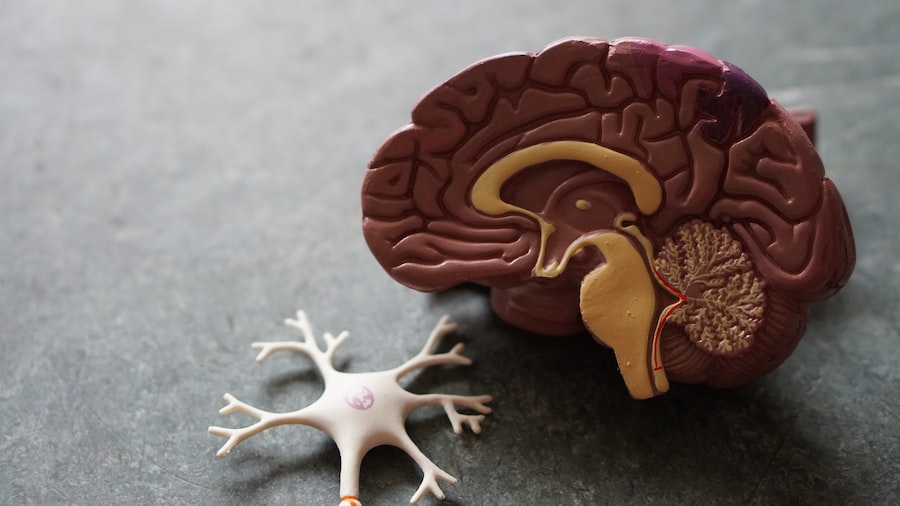
Healthy blood flow is crucial for optimal brain function. The brain requires a constant supply of oxygen and nutrients, which are delivered through the blood. Impaired blood flow to the brain can lead to cognitive decline, memory loss, and other neurological symptoms.
Research suggests that blueberries may play a role in promoting healthy blood flow to the brain. A study published in the Journal of Agricultural and Food Chemistry found that blueberry supplementation improved blood flow to the brain in older adults. Another study published in the Journal of Nutrition found that consuming blueberries increased cerebral blood flow in healthy young adults.
The ability of blueberries to improve blood flow may be attributed to their high antioxidant content. Antioxidants help protect the blood vessels from oxidative stress and inflammation, which can impair blood flow. Additionally, blueberries contain compounds called flavonoids, which have been shown to improve endothelial function, a key factor in maintaining healthy blood vessels.
Blueberries and Inflammation
Inflammation is a natural response of the immune system to injury or infection. However, chronic inflammation can have detrimental effects on the body, including the brain. Chronic inflammation has been linked to various health conditions, including neurodegenerative diseases, cognitive decline, and mood disorders.
Research suggests that blueberries may have anti-inflammatory effects on the brain. A study published in the Journal of Agricultural and Food Chemistry found that blueberry extract reduced neuroinflammation in a mouse model of Alzheimer’s disease. Another study published in the Journal of Nutrition found that consuming blueberries reduced markers of inflammation in healthy young adults.

The anti-inflammatory effects of blueberries may be attributed to their high antioxidant content. Antioxidants help neutralize free radicals and reduce oxidative stress, which can trigger inflammation. Additionally, blueberries contain compounds called polyphenols, which have been shown to have anti-inflammatory properties.
Importance of Including Blueberries in a Brain-Healthy Diet
A brain-healthy diet is essential for maintaining optimal brain function and reducing the risk of cognitive decline and neurodegenerative diseases. A brain-healthy diet should include a variety of nutrient-dense foods that provide essential nutrients, antioxidants, and anti-inflammatory compounds.

Blueberries are an excellent addition to a brain-healthy diet due to their numerous health benefits. They are low in calories but high in nutrients, including vitamins C and K, manganese, and dietary fiber. Blueberries are also packed with antioxidants, particularly flavonoids, which have been shown to have neuroprotective effects.
Incorporating blueberries into your diet can be as simple as adding them to your morning cereal or yogurt, blending them into smoothies, or enjoying them as a snack. They can also be used in a variety of recipes, such as salads, sauces, and baked goods. By including blueberries in your diet, you can reap the brain-boosting benefits of these delicious berries.
How to Incorporate Blueberries into Your Daily Routine
Incorporating blueberries into your daily routine is easy and can be done in a variety of ways. Here are some tips for incorporating blueberries into meals and snacks:
1. Add blueberries to your breakfast: Sprinkle fresh or frozen blueberries on top of your cereal, oatmeal, or yogurt for a burst of flavor and added nutrients.
2. Blend them into smoothies: Add a handful of blueberries to your favorite smoothie recipe for a nutritious and refreshing drink.
3. Make a blueberry salad: Toss fresh blueberries with mixed greens, nuts, and a light dressing for a colorful and nutritious salad.
4. Bake with blueberries: Add blueberries to muffins, pancakes, or bread for a sweet and tangy twist.
5. Enjoy them as a snack: Keep a container of fresh blueberries in the fridge for a quick and healthy snack.
By incorporating blueberries into your daily routine, you can enjoy their brain-boosting benefits while adding variety and flavor to your meals and snacks.
Conclusion and Summary
In conclusion, blueberries are a delicious and nutritious fruit that may have significant benefits for brain health. Research has shown that blueberries may play a role in reducing cognitive decline, improving memory and learning, preventing neurodegenerative diseases, promoting healthy blood flow to the brain, and reducing inflammation in the brain. Blueberries are packed with antioxidants, particularly flavonoids, which have been shown to have neuroprotective effects.
Including blueberries in a brain-healthy diet is essential for maintaining optimal brain function and reducing the risk of cognitive decline and neurodegenerative diseases. Blueberries can be easily incorporated into meals and snacks, making it convenient to enjoy their brain-boosting benefits on a daily basis.
Incorporating blueberries into your diet is a simple and delicious way to support your brain health. So why not start adding these little blue powerhouses to your meals and snacks today? Your brain will thank you!
If you’re interested in maintaining youthful vitality and brain health, you may also want to check out this article on “5 Proven Evidence of God’s Love You Need to Hear This.” It explores the connection between spirituality and overall well-being, including the impact of faith on mental and emotional health. Understanding the power of love and spirituality can be an important aspect of maintaining a healthy mind and body. Read more
FAQs
What are blueberries?
Blueberries are small, round, sweet, and juicy berries that grow on shrubs. They are native to North America but are now grown in many parts of the world.
What are the health benefits of blueberries?
Blueberries are packed with antioxidants, vitamins, and minerals that can help improve brain function, reduce inflammation, lower blood pressure, and protect against heart disease and cancer.
How do blueberries help maintain youthful vitality?
Blueberries contain compounds called anthocyanins, which have been shown to improve cognitive function and memory in older adults. They also have anti-inflammatory properties that can help protect against age-related diseases.
How can blueberries be incorporated into a healthy diet?
Blueberries can be eaten fresh, frozen, or dried. They can be added to smoothies, yogurt, oatmeal, salads, or baked goods. It is recommended to consume at least 1 cup of blueberries per day to reap their health benefits.
Are there any side effects of consuming blueberries?
Blueberries are generally safe to consume and do not have any known side effects. However, some people may be allergic to them and experience symptoms such as itching, swelling, or difficulty breathing. It is recommended to consult a doctor if you experience any adverse reactions after consuming blueberries.